
The Scene — Latest Entertainment News & Culture
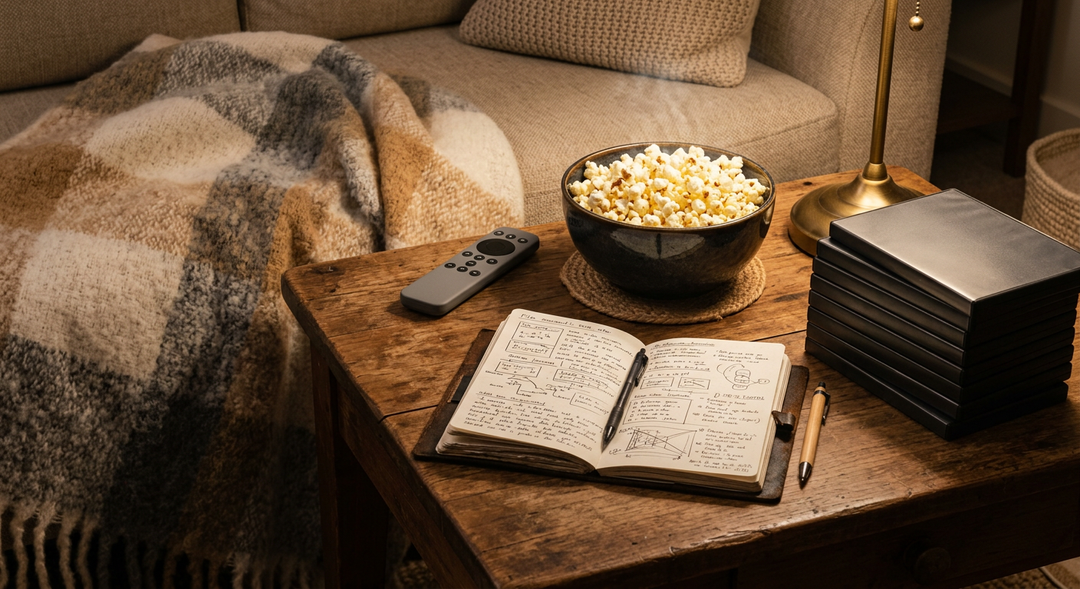
Prestige TV Is Officially Getting Cozy
Move over, gritty antiheroes. The latest status symbol in streaming isn't shock value—it's smart, rewatchable comfort.…
Article Grid

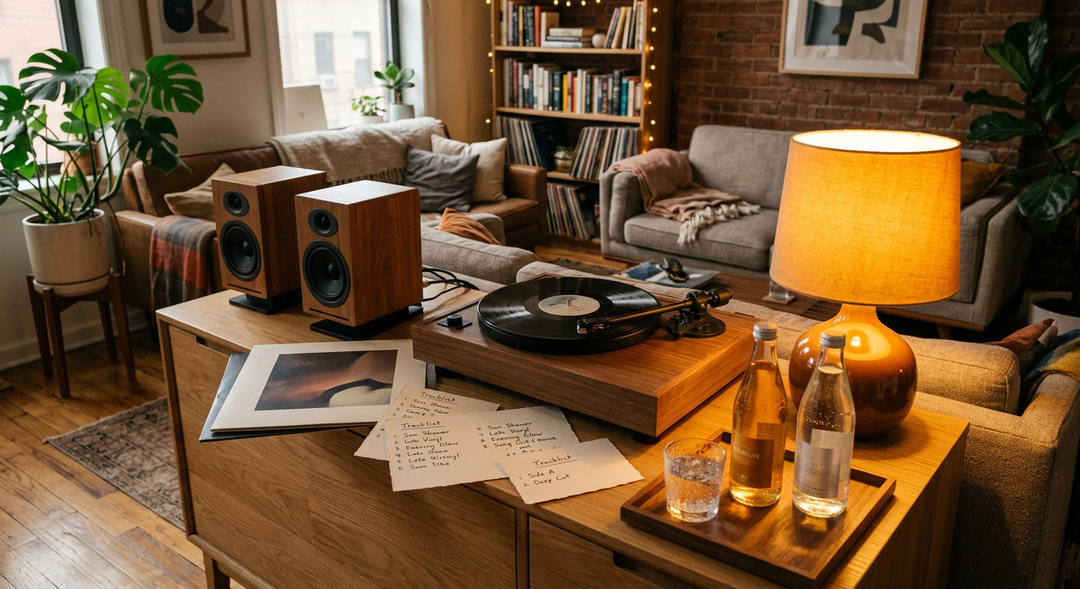
The Listening Party Is Back
Put down the AirPods. The listening party is back, pulling music discovery out of our digital bubbles and putting it…
By Gemma G
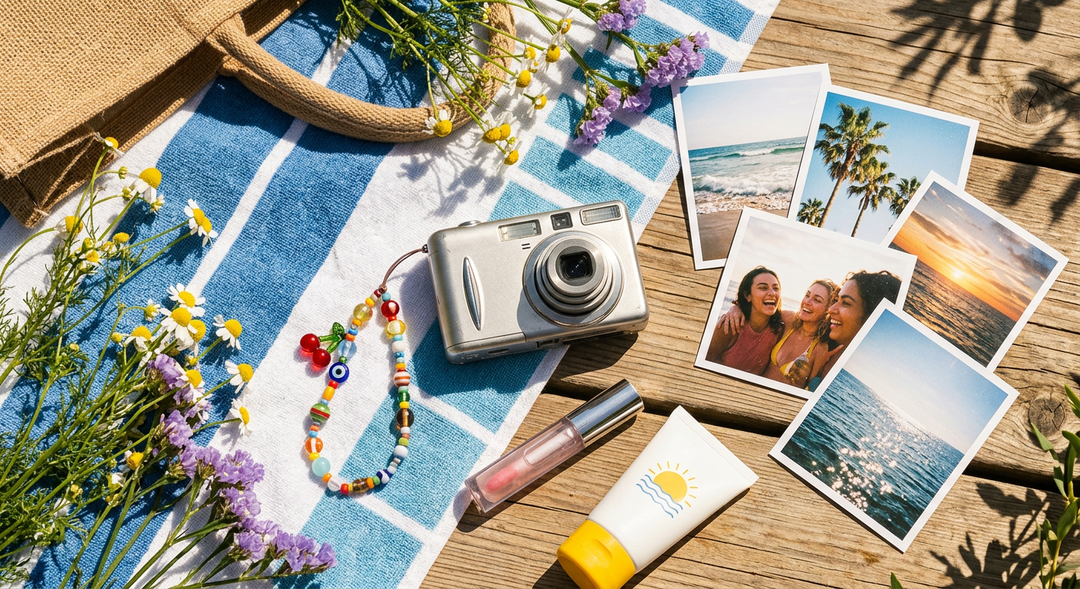
Digital Camera Summer Is Here to Stay
Forget algorithmic perfection. The cool kids are embracing the blurry, over-flashed, and beautifully imperfect photos…
By Gemma G
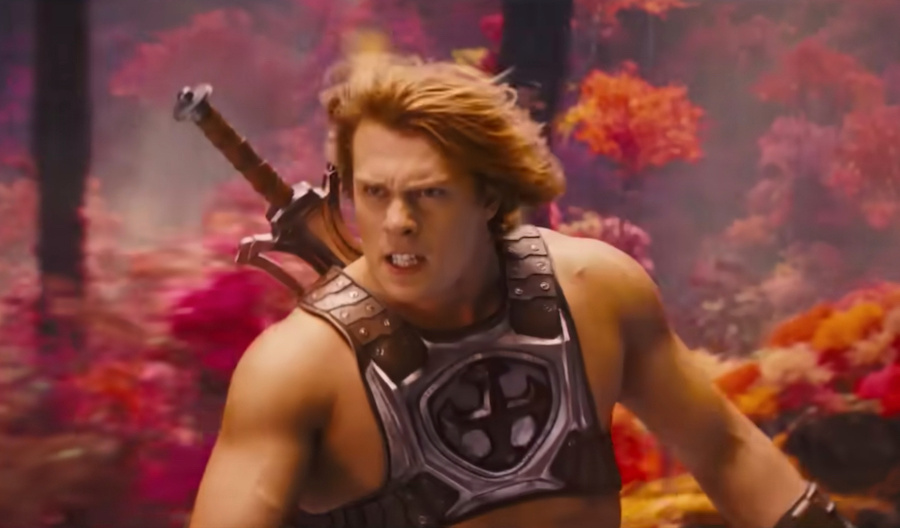
5 Things To Know About 'Masters of the Universe'
For decades, 'Masters of the Universe' has remained one of the most beloved fantasy franchises in pop culture.
By Dante Greco
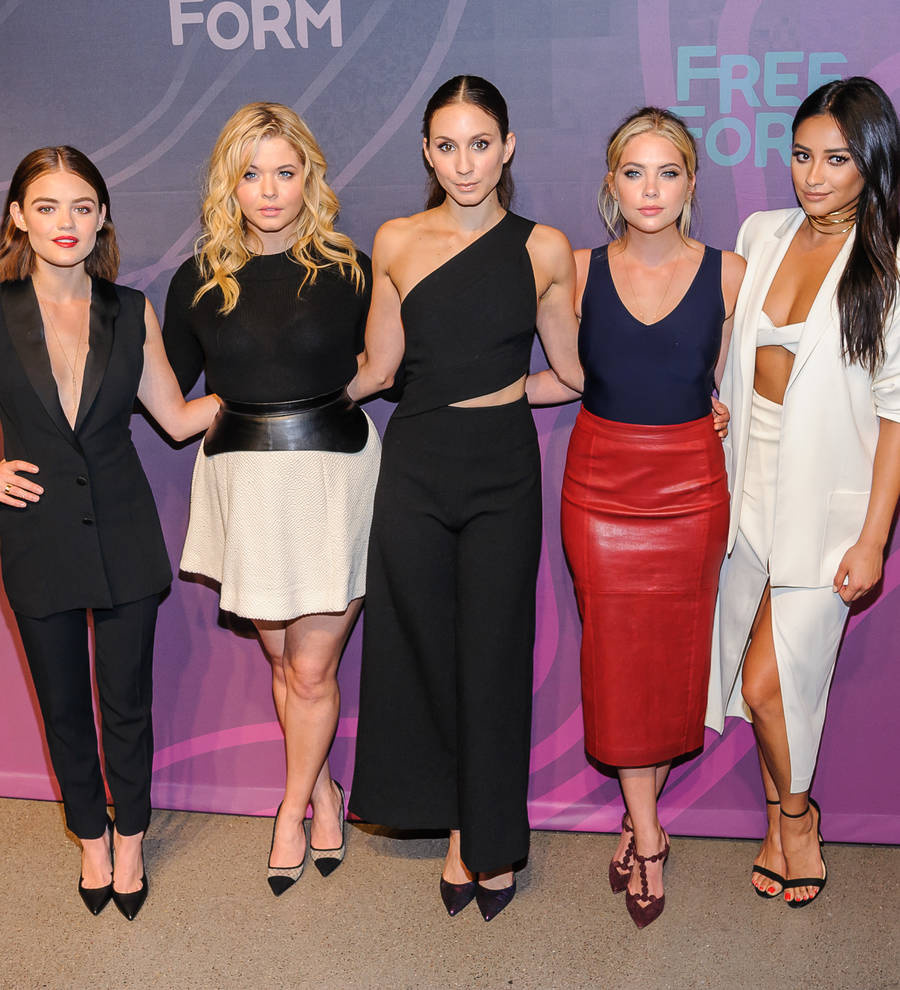
"Pretty Little Liars" Cast: Where Are They Now?!
From BÉIS billions to writer-director pivots and a long-awaited return to Rosewood, here is exactly where the cast of…
By Skylar Zachian
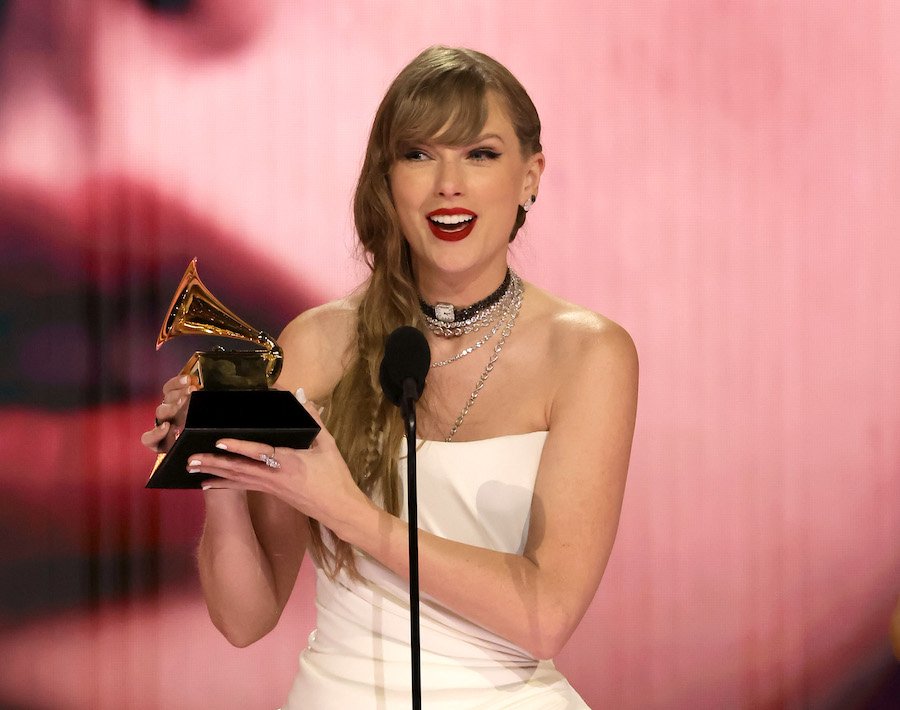
Taylor Swift Didn't Just Build a Fanbase—She Built a Universe
Taylor Swift redefined what it means to be a fan. She's the architect of modern pop culture, turning albums into eras…
By Gemma G

The Incredible Shrinking Festival
Mega-festivals are being challenged by a new wave of micro-events. For Gen Z, it's not about the size of the crowd, but…
By Gemma G
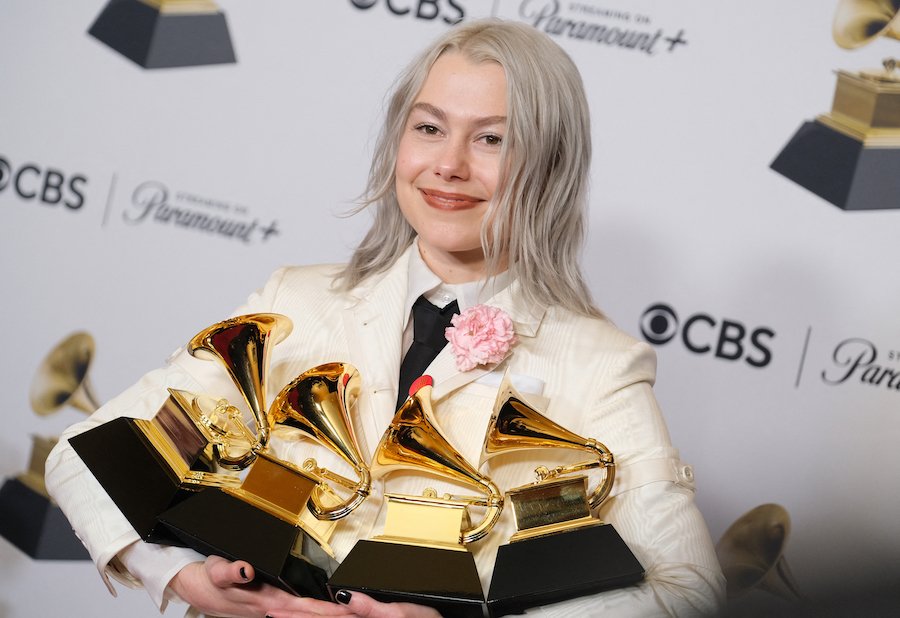
Lighters Over Flashlights: The Return of Phoebe Bridgers
Generational singer-songwriter Phoebe Bridgers has made her stage return for the first time in two years, following the…
By Renee Caballero
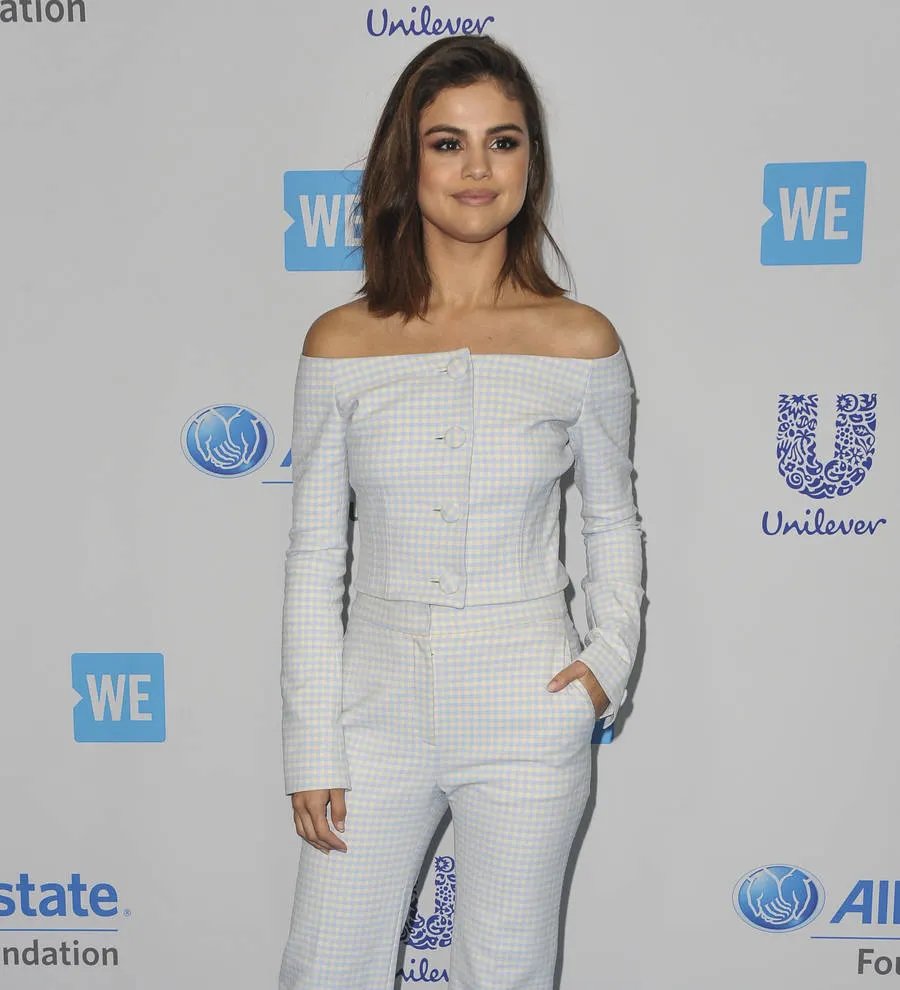
The Selena Gomez Blueprint
In a world of celebrity over-exposure, Selena Gomez moves with a quiet confidence, building a powerful career across…
By Gemma G

Billie Eilish and the Power of the Pop Whisper
Billie Eilish proves that true power isn't about being the loudest in the room. We explore how her minimalist sound,…
By Gemma G
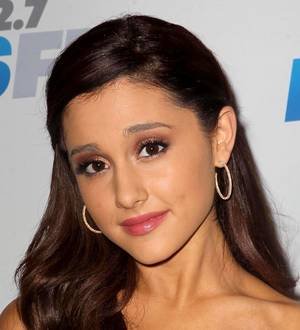
How Ariana Grande Mastered the Art of Spectacle
Ariana Grande has always been more than a pop star. We're breaking down how her theatrical roots and powerhouse vocals…
By Gemma G

Welcome to the Soft-Launch Economy
Forget the countdown clocks and flashy press releases. The savviest new launches—from brands to albums—start with a…
By Gemma G
Most Read This Week
- 01

TV/Film
Everything We Know So Far About "The White Lotus" Season 4!
- 02
Fashion
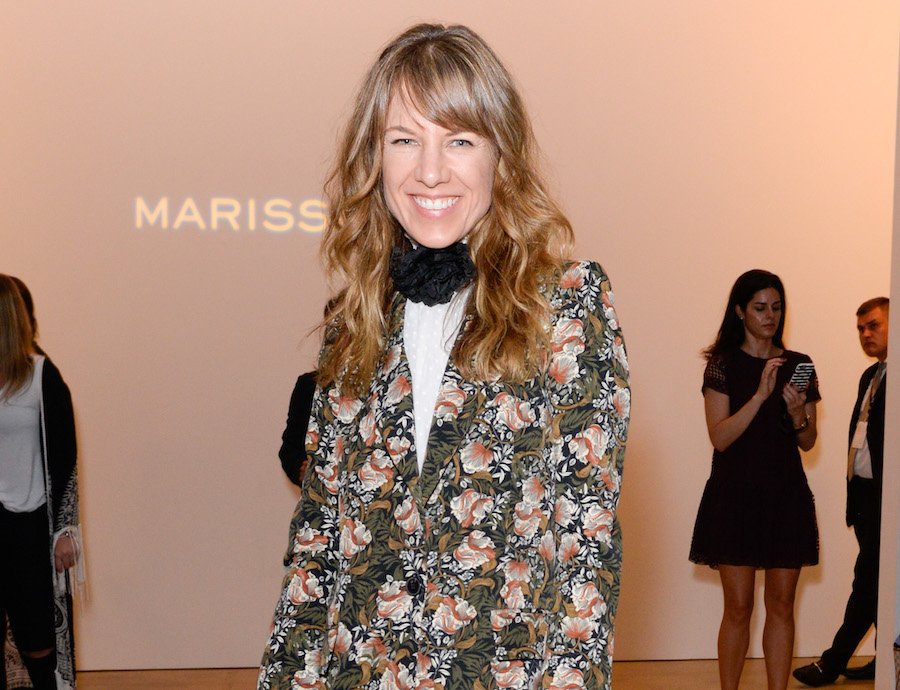
The 4 Best Fashion Podcasts To Follow!
- 03
Music
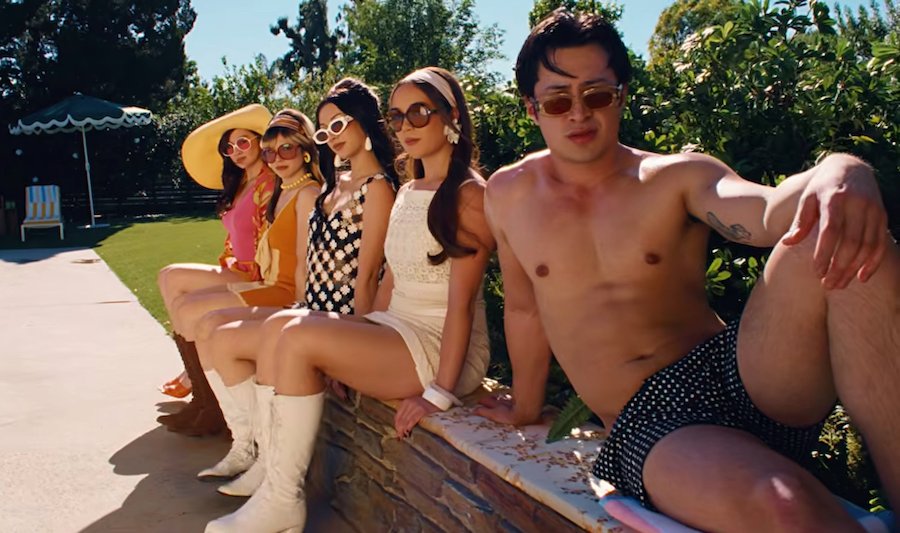
Why Everyone's Talking About Laufey’s "Madwoman" Music Video!
- 04
Lifestyle
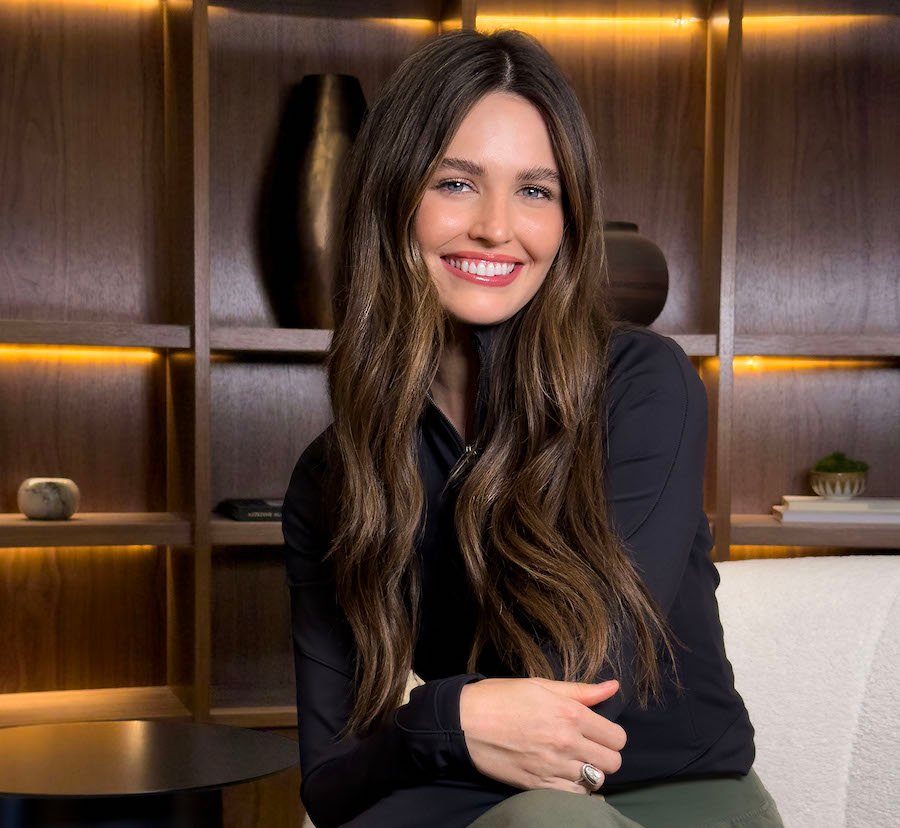
Spring Break Skin: An Expert’s Guide To Looking & Feeling Your Best!
- 05

Lifestyle
5 Actors Who Completely Transformed Themselves For a Role