
The Scene — Latest Entertainment News & Culture
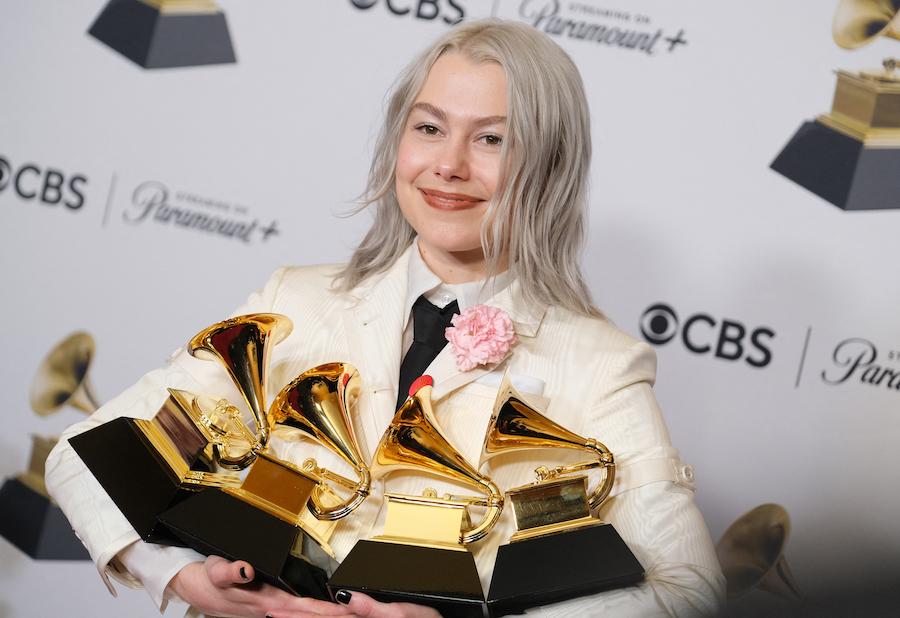
Lighters Over Flashlights: The Return of Phoebe Bridgers
Generational singer-songwriter Phoebe Bridgers has made her stage return for the first time in two years, following the…
Article Grid
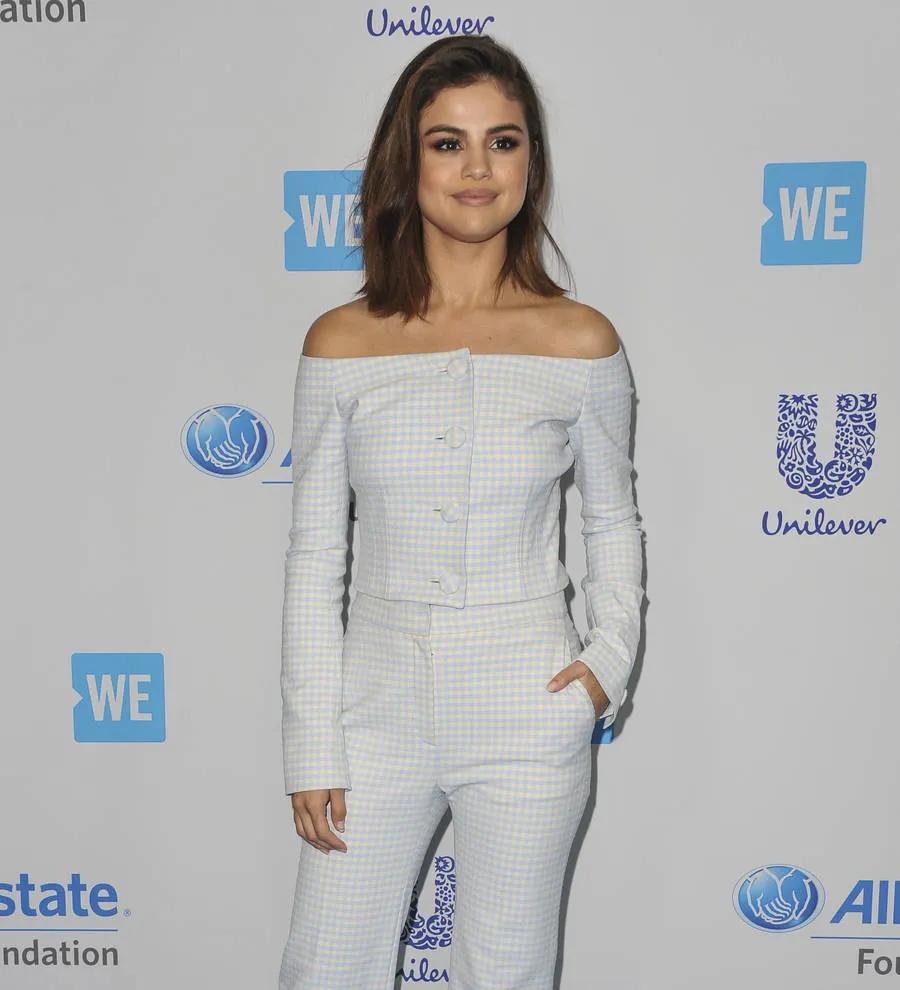
The Selena Gomez Blueprint
In a world of celebrity over-exposure, Selena Gomez moves with a quiet confidence, building a powerful career across…
By Gemma G
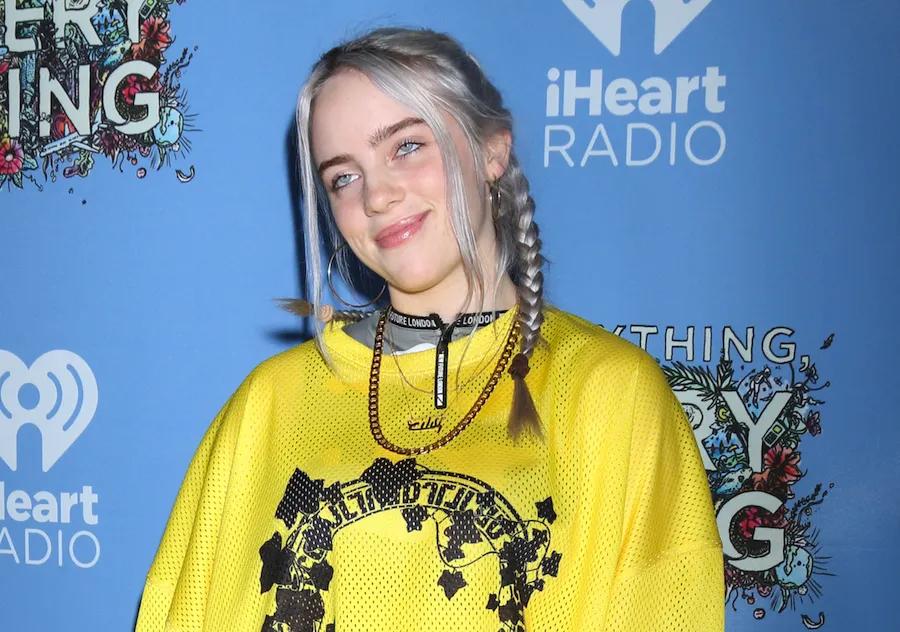
Billie Eilish and the Power of the Pop Whisper
Billie Eilish proves that true power isn't about being the loudest in the room. We explore how her minimalist sound,…
By Gemma G
How Ariana Grande Mastered the Art of Spectacle
Ariana Grande has always been more than a pop star. We're breaking down how her theatrical roots and powerhouse vocals…
By Gemma G

Welcome to the Soft-Launch Economy
Forget the countdown clocks and flashy press releases. The savviest new launches—from brands to albums—start with a…
By Gemma G
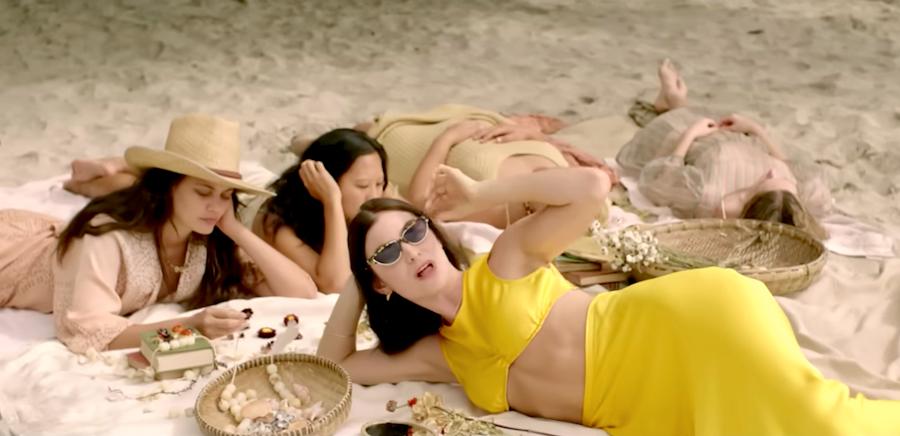
5 Albums That Will Get You Ready for Summer!
The sun’s out, so it’s officially time to put away the melancholic winter melodies and dust off the tunes that get you…
By Margot Robinson
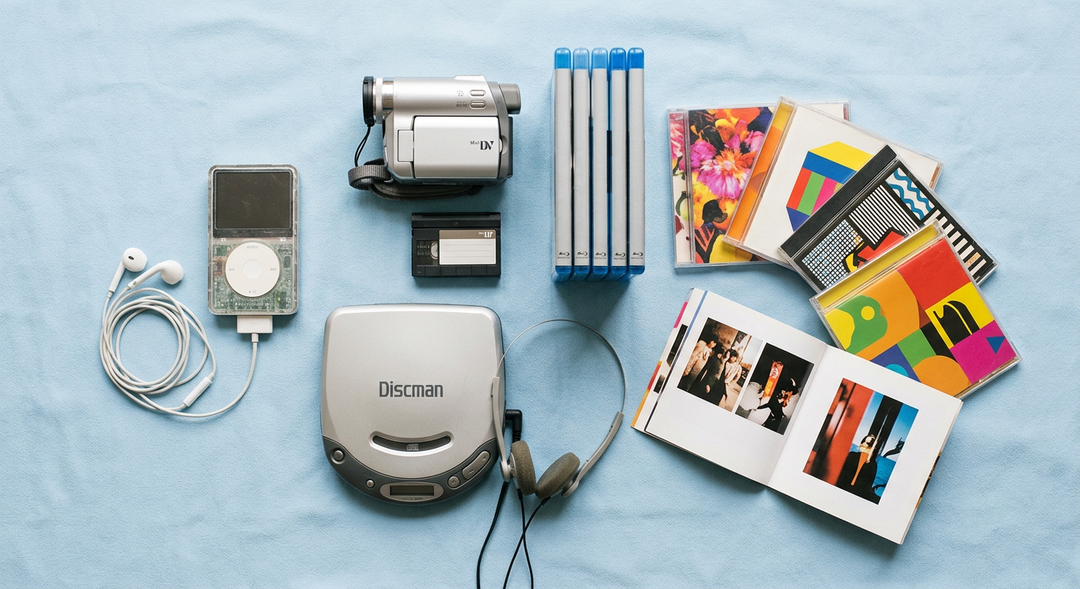
The Analog Anomaly: Gen Z's Physical Media Obsession
Gen Z grew up with infinite content at their fingertips, so why are they seeking out relics of the past? We explore the…
By Gemma G
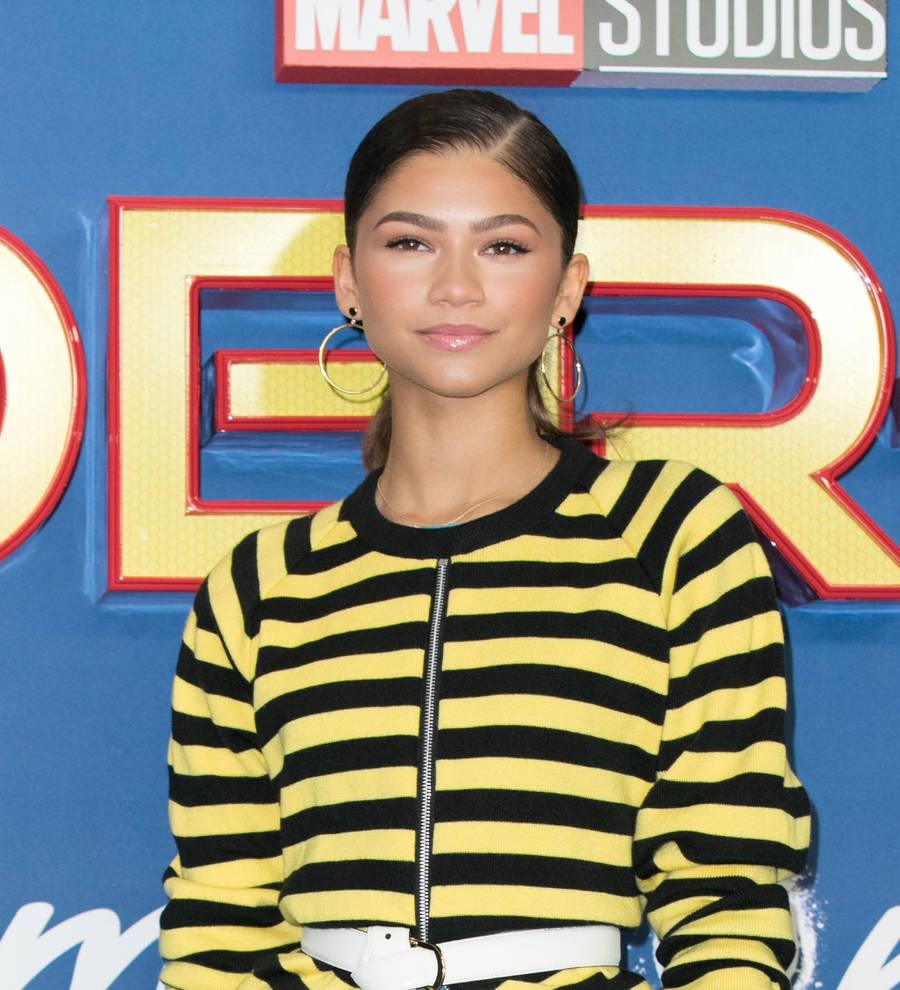
The Zendaya Playbook: Rewriting the A-List Rules
In a world of constant content, Zendaya chose a different path. We're breaking down her masterclass in career curation,…
By Gemma G
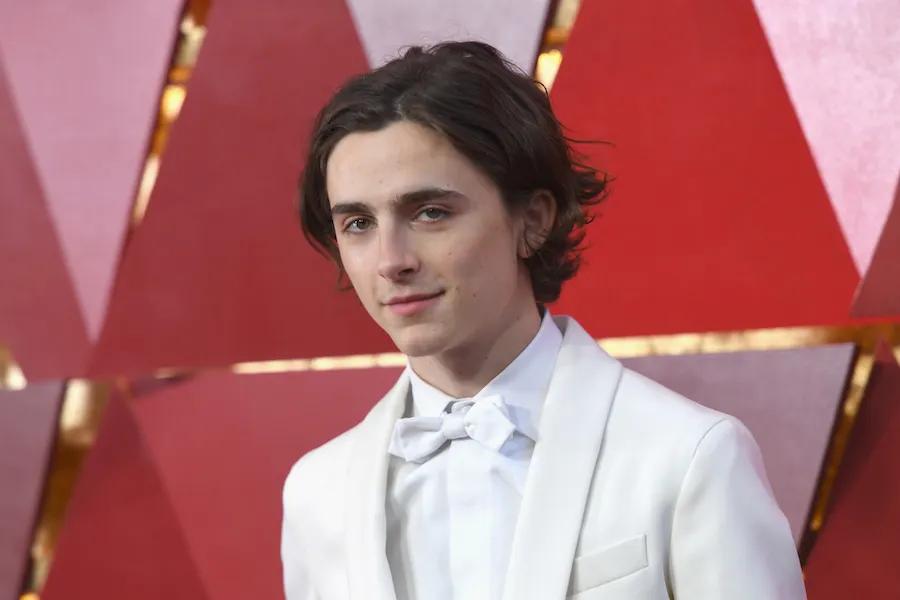
Timothée Chalamet is Building an Old-School Career
In an era of endless franchises, Timothée Chalamet is taking a different path, building a filmography with visionary…
By Gemma G
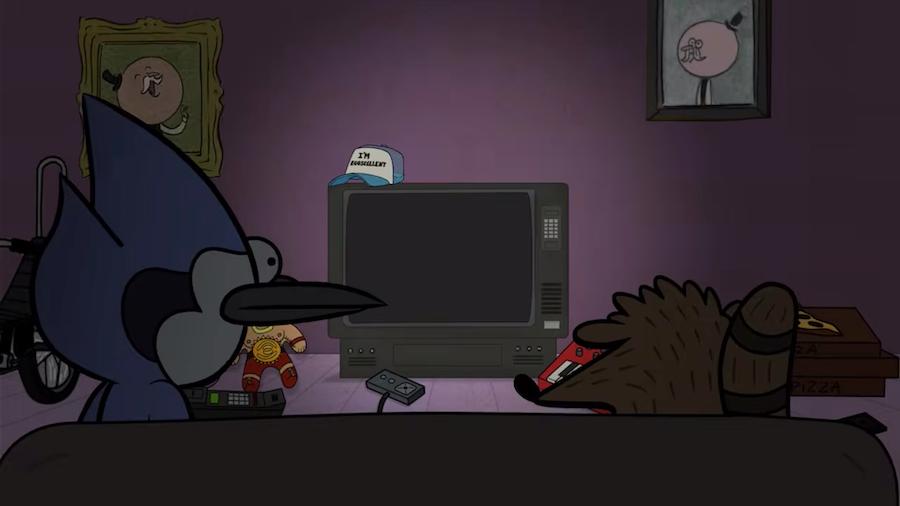
5 Reasons We Are So Excited For The Return of "Regular Show"!
You know who else likes it when one of the best animated shows ever returns? My mom.
By Dante Greco
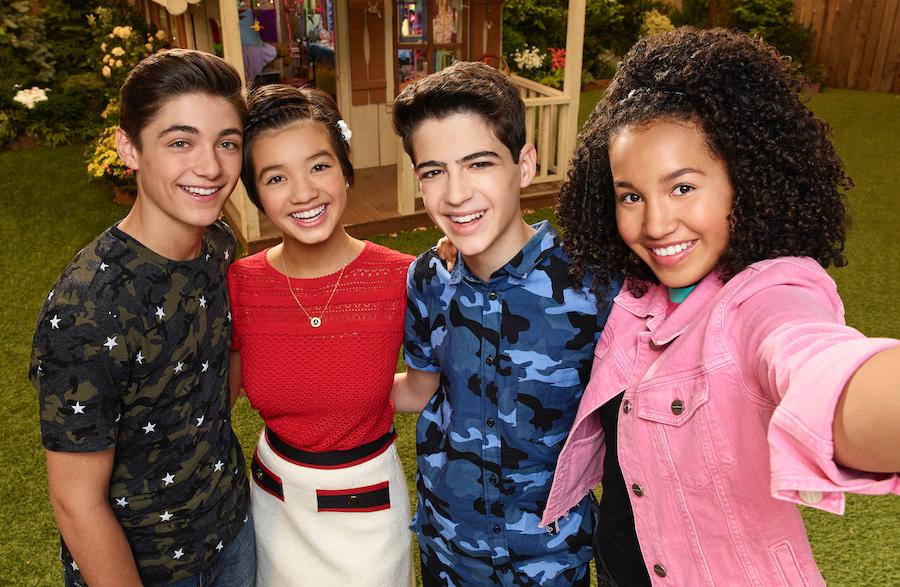
Victorious Cast: Where Are They Now?
From Ariana Grande's pop dominance to Victoria Justice's leading-lady run and Liz Gillies' Hollywood reinvention, here…
By Skylar Zachian
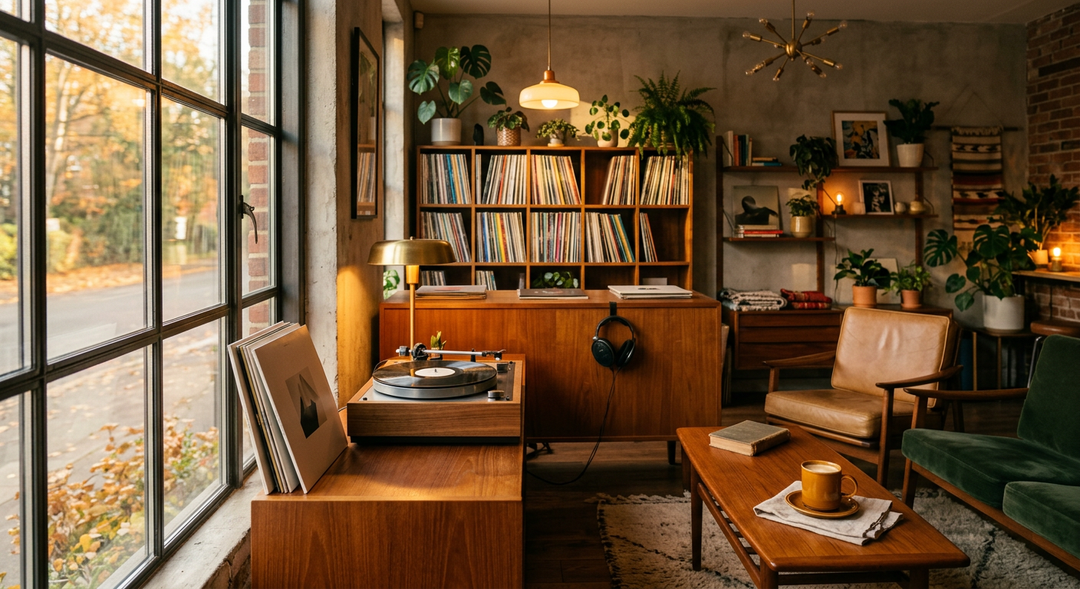
The Third Place Takes Over
Tired of atomized, online-only life, a new generation is rebuilding 'third places' — from listening bars to run clubs —…
By Gemma G
Most Read This Week
- 01

TV/Film
Everything We Know So Far About "The White Lotus" Season 4!
- 02
Fashion
The 4 Best Fashion Podcasts To Follow!
- 03
Lifestyle
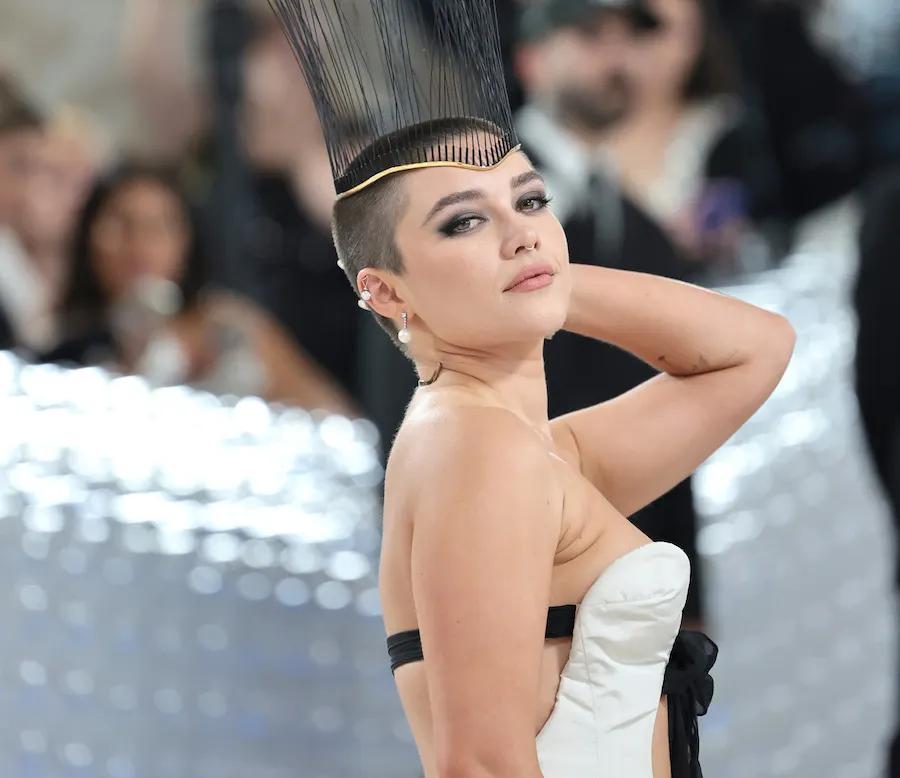
5 Actors Who Completely Transformed Themselves For a Role
- 04
Lifestyle
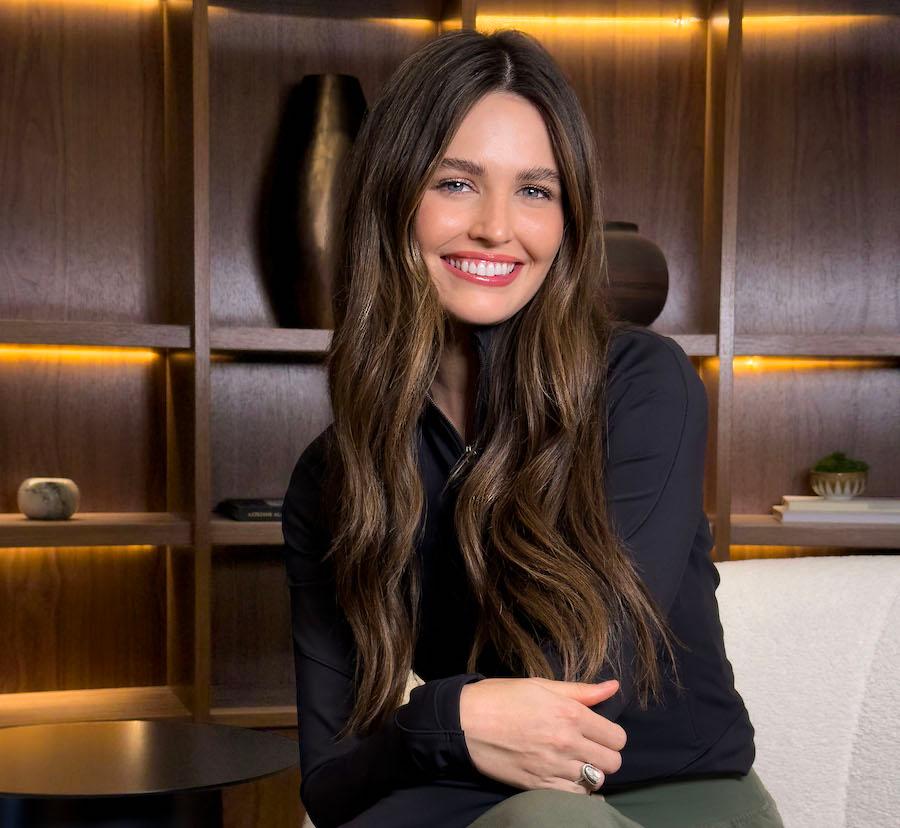
Spring Break Skin: An Expert’s Guide To Looking & Feeling Your Best!
- 05
Music
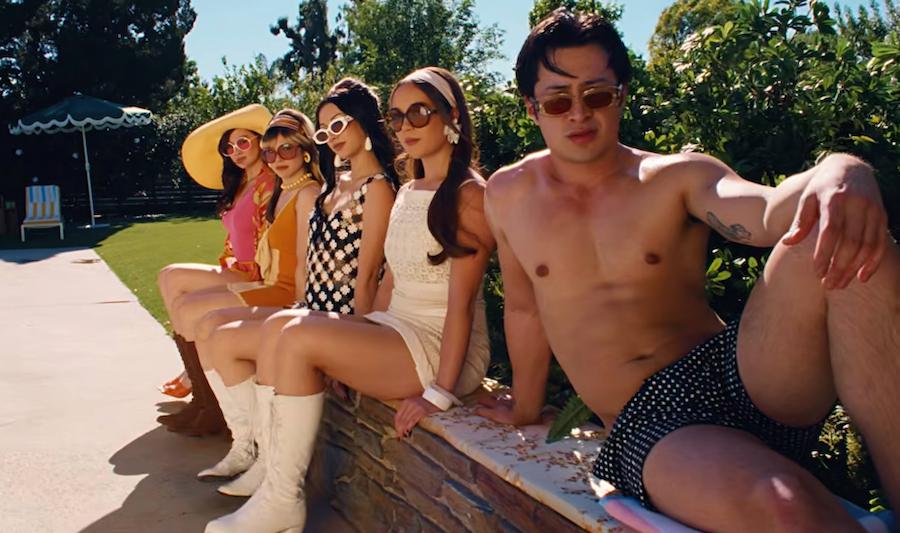
Why Everyone's Talking About Laufey’s "Madwoman" Music Video!